Monday, 05 March 2012 08:26

Bulawayo The City Of Kings

Written by 
Rate this item
(0 votes)

Bulawayo is the second largest city in Zimbabwe after the capital Harare, with an estimated metropolitan population in 2007 of 731,003. It is located in Matabeleland, 439 km southwest of Harare, and is now treated as a separate provincial area from Matabeleland. The capital of Matabeleland North is now Lupane, as Bulawayo is a stand-alone province.

Bulawayo is also known as the 'City of Kings', 'Skies', 'Bluez', 'Bulliesberg' or 'KoNtuthu ziyathunqa' – a SiNdebele word for 'a place of smoky fires'.It is a multicultural city with most residents able to speak at least three languages (including English, Ndebele, Shona, Xhosa, Kalanga, Sotho, Nambya, Tonga and Venda). The majority of the Bulawayo's population belongs to the Ndebele ethnic and language group, who descend from a 19th century Zulu migration and are a minority in Zimbabwe.

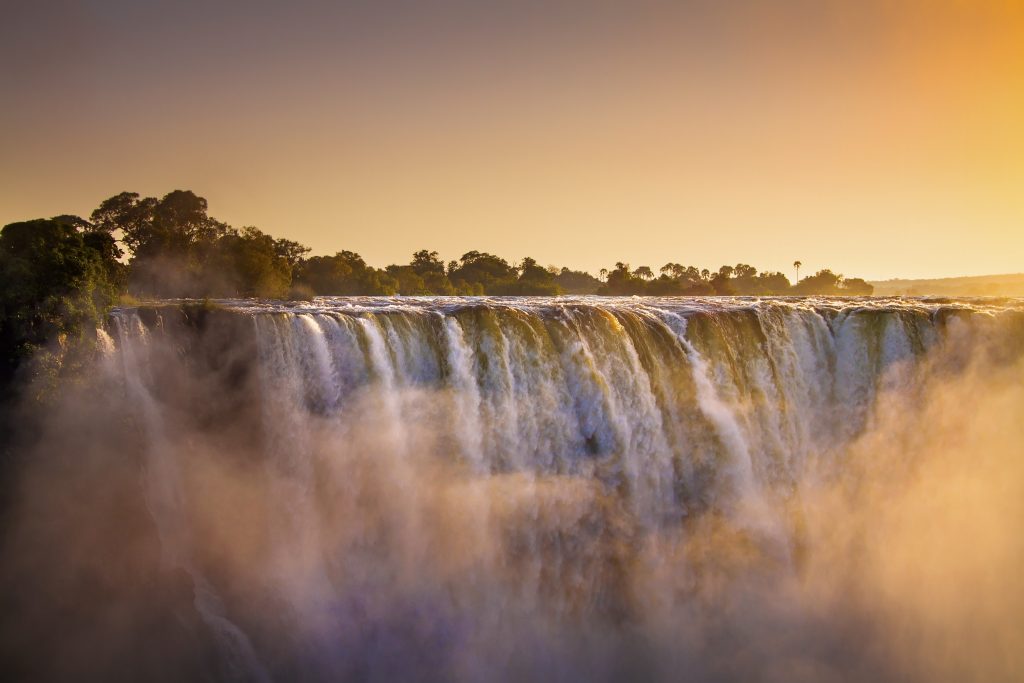
Bulawayo has long been and is still regarded as the industrial and business capital of Zimbabwe and is home to the National Railways of Zimbabwe because of its strategic position near Botswana and South Africa. It is the nearest large city to Hwange National Park, Matopo National Park and Victoria Falls.

Geography

Topography

The city sits on a plain that marks the Highveld of Zimbabwe and is close to the watershed between the Zambezi and Limpopo drainage basins. The land slopes gently downwards to the north and northwest. The southern side is hillier, and the land becomes more broken in the direction of the Matobo Hills to the south.
Petrea flower in a garden in Bulawayo
Climate

Due to its relatively high altitude, the city has a subtropical climate despite lying within the tropics. Under the Köppen climate classification, Bulawayo features a humid subtropical climate (Cwa), though it’s a drier version of the climate. The mean annual temperature is 19.16°C, similar to Pretoria at a similar altitude but almost 600 km farther south. As with much of southern and eastern Zimbabwe, Bulawayo is cooled by a prevailing southeasterly airflow most of the year, and experiences three broad seasons: a dry, cool winter season from May to August; a hot dry period in early summer from late August to early November; and a warm wet period in the rest of the summer, early November to April. The hottest month is October, which is usually the height of the dry season. The average maximum temperature ranges from 21°C in July to 30°C in October. During the rainy season, daytime maxima are around 26°C. Nights are always cool, ranging from 8°C in July to 16°C in January.

The city's average annual rainfall is 590mm, which supports a natural vegetation of open woodland, dominated by Combretum and Terminalia trees. Most rain falls in the December to February period, while June to August is usually rainless. Being close to the Kalahari Desert, Bulawayo is vulnerable to droughts and rainfall tends to vary sharply from one year to another. In 1915, 748mm of rain fell in the three months up to February (December 1914 is the wettest month on record) while in the three months ending February 1983, only 84mm fell.


Read 1867 times Last modified on Monday, 17 December 2012 08:18
Login to post comments

About Us

Zimbabwe is a song which, once heard, is never forgotten; a mood to suit the needs of any soul, any time; a spell that binds all those who know her. Her voice brings forth many melodies. Welcome to Zimbabwe, a land rich in diversity ranging from low-lying semi-desert to lush highlands strewn with forests and lakes. Situated on a high plateau in Southern Africa and covering 390 245 Km.

Social Icons

Newsletter

Sign Up for Our Newsletter:

You are here: Home
Scroll to Top