Articles

Mythical Kariba & The Mighty Zambezi

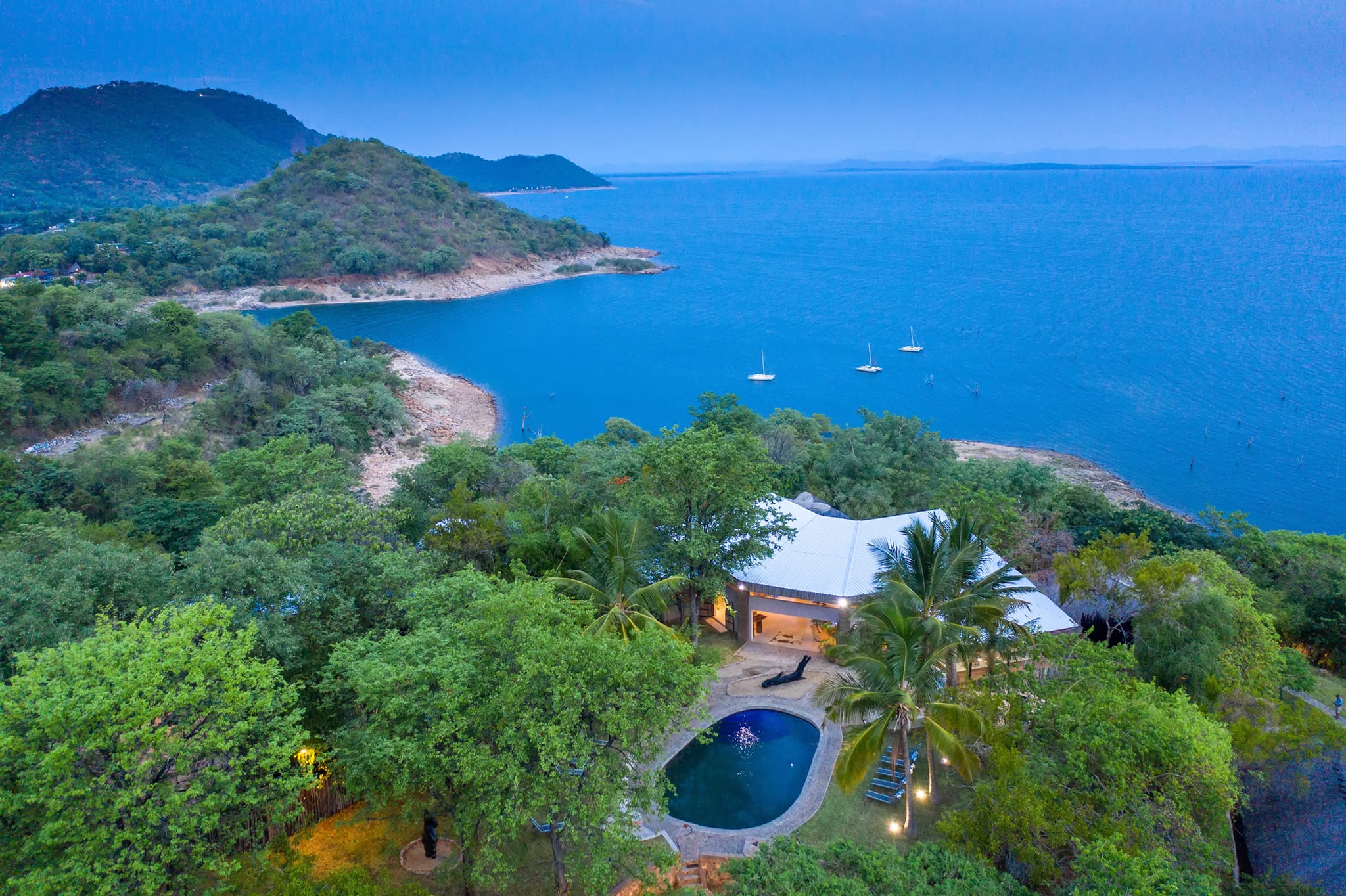
Kariba DamBy volume, Lake Kariba is the largest man-made lake and reservoir in the world. It is located on the Zambezi river, about halfway between the river's source and mouth, about 1300 kilometers upstream from the Indian Ocean, and lies along the border between Zambia and Zimbabwe. Lake Kariba was filled between 1958 and 1963 following the completion of the Kariba Dam at its northeastern end, flooding the Kariba Gorge on the Zambezi River, also displacing large numbers of the local Tonga people.

The Zimbabwean town of Kariba was built for construction workers on the lake's dam, while some other settlements such as Mlibizi in Zimbabwe and Siavonga and Sinazongwe in Zambia have grown up to house people displaced by the rising waters.


Physical characteristics
Lake Kariba is over 220 kilometers (140 mi) long and up to 40 kilometers (20 mi) in width. It covers an area of 5,580 square kilometers (2,150 sq mi) and its storage capacity is an immense 185 cubic kilometers (44.4 cu mi). The mean depth of the lake is 29 meters (95 ft); the maximum depth is 97 meters (320 ft). It is one of the world's largest man-made reservoirs. The enormous mass of water (approximately 180,000,000,000,000 kilograms, or 180 petagrams [200 billion tons]) is believed to have caused induced seismicity in the seismically active region, including over 20 earthquakes of greater than 5 magnitude on the Richter scale. The lake is home to several islands, including Maaze Island, Mashape Island,Chete Island, Sekula, Sampa Karuma, Fothergill, Spurwing, Snake Island, Antelope Island, Bed Island Chikanka.


Coordinates:                                             17°S 28°ECoordinates:  17°S 28°E


Lake type:                                                Hydroelectric reservoir


Catchment area:                                        663,000 km²
Basin countries:                                          Zimbabwe, Zambia


Surface area:                                             5,400 km²


Water volume:                                          180 km³
Surface elevation:                                      485 m

Ecology


Kariba Dam
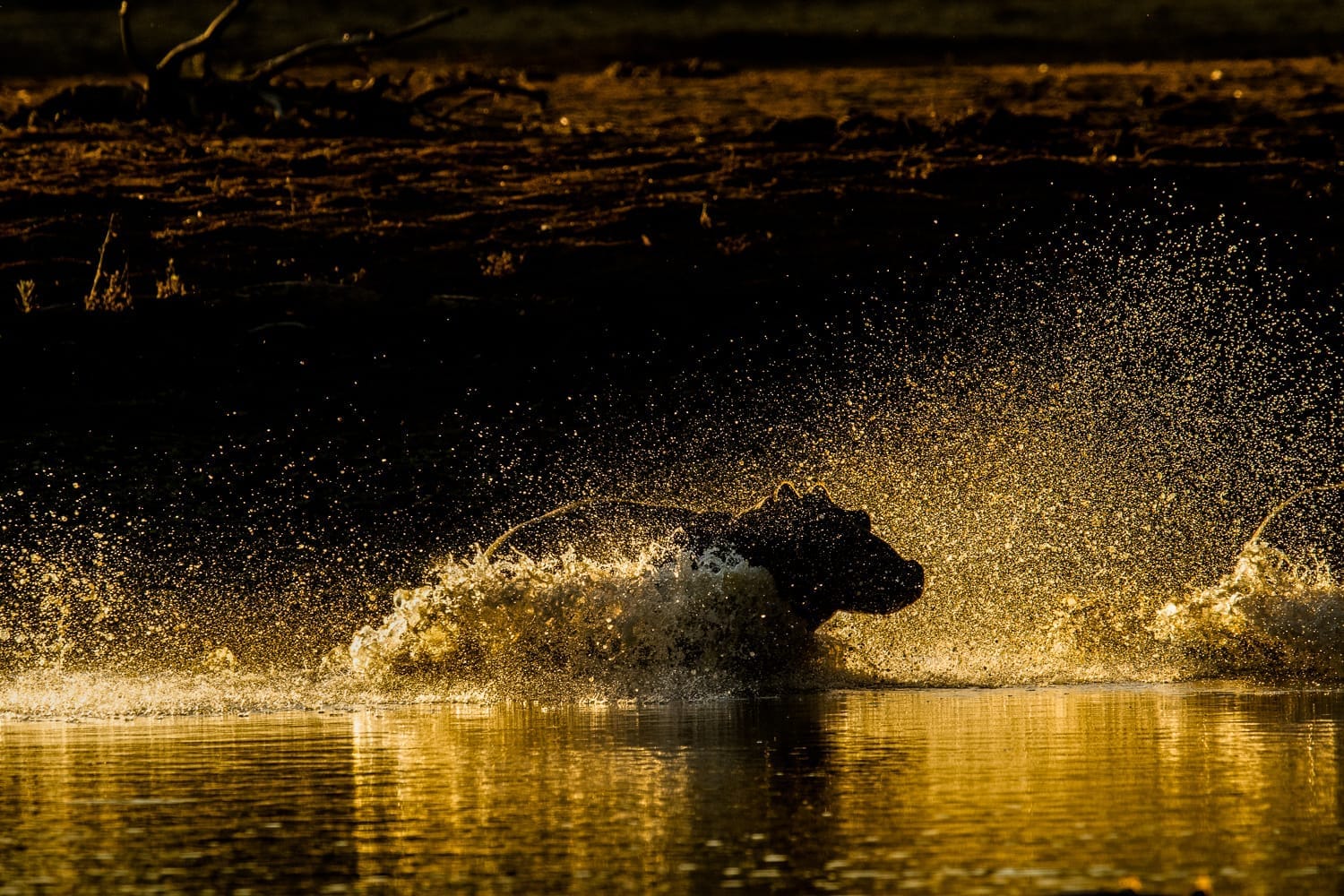
Before Lake Kariba was filled, the existing vegetation was burned, creating a thick layer of fertile soil on land that would become the lake bed. As a result the ecology of Lake Kariba it is vibrant. A number of fish species have been introduced to the lake, notably the sardine-like kapenta (transported from Lake Tanganyika), which now supports a thriving commercial fishery. Other inhabitants of Lake Kariba include Nile crocodiles and hippopotamuses. Gamefish, particularly Tigerfish, which was among the indigenous species of the Zambezi river system, now thrive on the kapenta, which in turn encourage tourism. Both Zambia and Zimbabwe are now attempting to develop the tourism industry along their respective coasts of Lake Kariba. Fish eagles, cormorants and other water birds patrol the shorelines, as do occasional herds of elephants.


Protected areas
The portion of Lake Kariba which falls within Zimbabwe has been designated a Recreational Park within the Zimbabwe Parks and Wildlife Estate.


In popular culture
Lake Kariba and the Kariba Dam provide the setting for roughly 300 pages of the L. Ron Hubbard science fiction novel Battlefield Earth, which in 2000 was adapted into a film of the same name. The novel itself was a bestseller, but the film adaptation was very poorly received. In 1966, in a Saint Hill Special Briefing Course lecture entitled "About Rhodesia", L. Ron Hubbard claimed to have owned a hotel resort on Lake Kariba.
For many years the largest man -made lake in the world. It has become a famous resort for boating, fishing and game viewing. Many of the animals rescued during Operation Noah were released in the Matusadona National Park. Herds of up to 1,000 buffalo and many other wild animals come to this shoreline in the dry weather. Game viewing can be done by boat, canoe, vehicle or foot. The birdlife, especially aquatic, is excellent. Altitude at harbors 490m, at heights 800m. It can get very hot and humid at Kariba.

Best time to visit
At any time of the year Lake Kariba offers entertainment, relaxation, sport and adventure. There is something at Kariba for everybody – and all of it unforgettable. Mid-May June and July are the coolest month but it should be remembered that the Zambezi Valley is always hot. The end of November through to February is generally rainy and October is traditionally the hottest month.


How to get there


By air
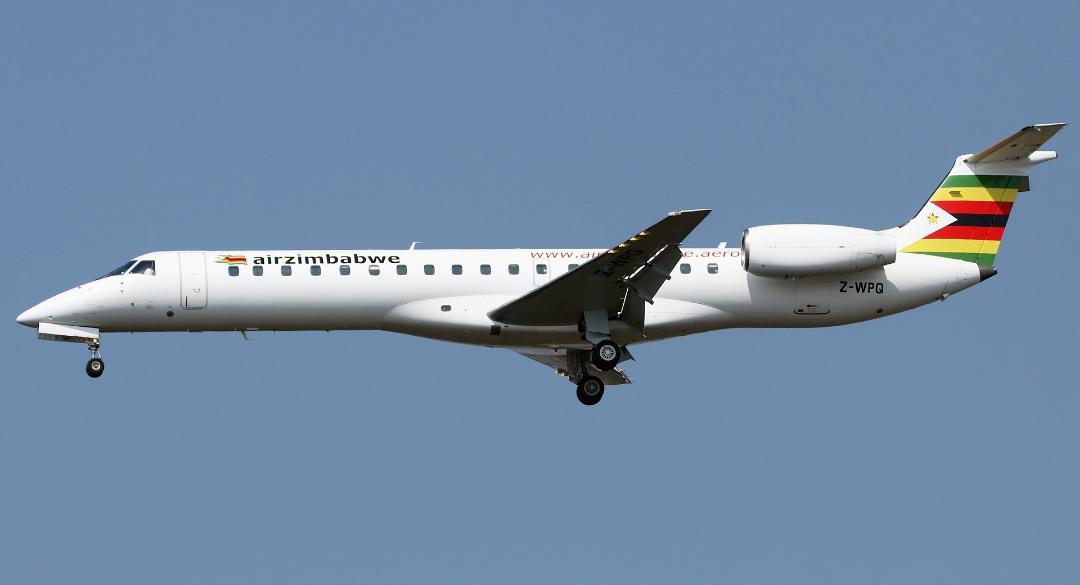
Scheduled and charter services operate to Kariba from Harare, Hwange and Victoria Falls. In addition there are light aircraft airstrips at Bumi, Fothergill, Chizarira, Tashinga and Binga.


By Coach / Local buses
Luxury Coaches operate services direct from Harare to Kariba.Also available are local buses on an hourly bases. Some tour operators and car hire companies offer their services on this route.


By Car
From Harare a 365km drive.


By Bus
Local buses operate two or three times a day between Harare and Kariba


What to do

• Visit the dam wall, visit the Observation Point for a beautiful view of the dam wall, the Zambezi River and Zambia, visit ST. BARBARA'S CHURCH
• Visit the Operation Noah Memorial at Kariba Heights and see the wonderful view over the Lake towards Matusadona and the Islands
• Fishing, Cruisers, Tiger fishing competition-held every first week of October
• Canoeing, Boat rides, Hire a Houseboat for a couple of days and get out on the lake and see the game
• Visit the Lake Crocodile Farm and see their Curio Shop, have dinner out at one of the lovely lakeshore Hotels, Book a stay in one of the safari camps
• Book a Bush Walk or a Canoe Safari with a professional guide
• Take your children free fishing at the Bream Farm Chawara Harbor, go on a Town and Dam Tour
• If you do not have your own transport use one of the operators in your hotel
• Visit the Casino, Game drives are available in and around Kariba
• Visit Matusadona and Mana Pools National Parks

Kariba is unique and a place of outstanding beauty, a great inland sea, nested in mountains, guarded by enormous reserves of game and made beautiful and savage by sun and storm, earth and water and by life and death. 

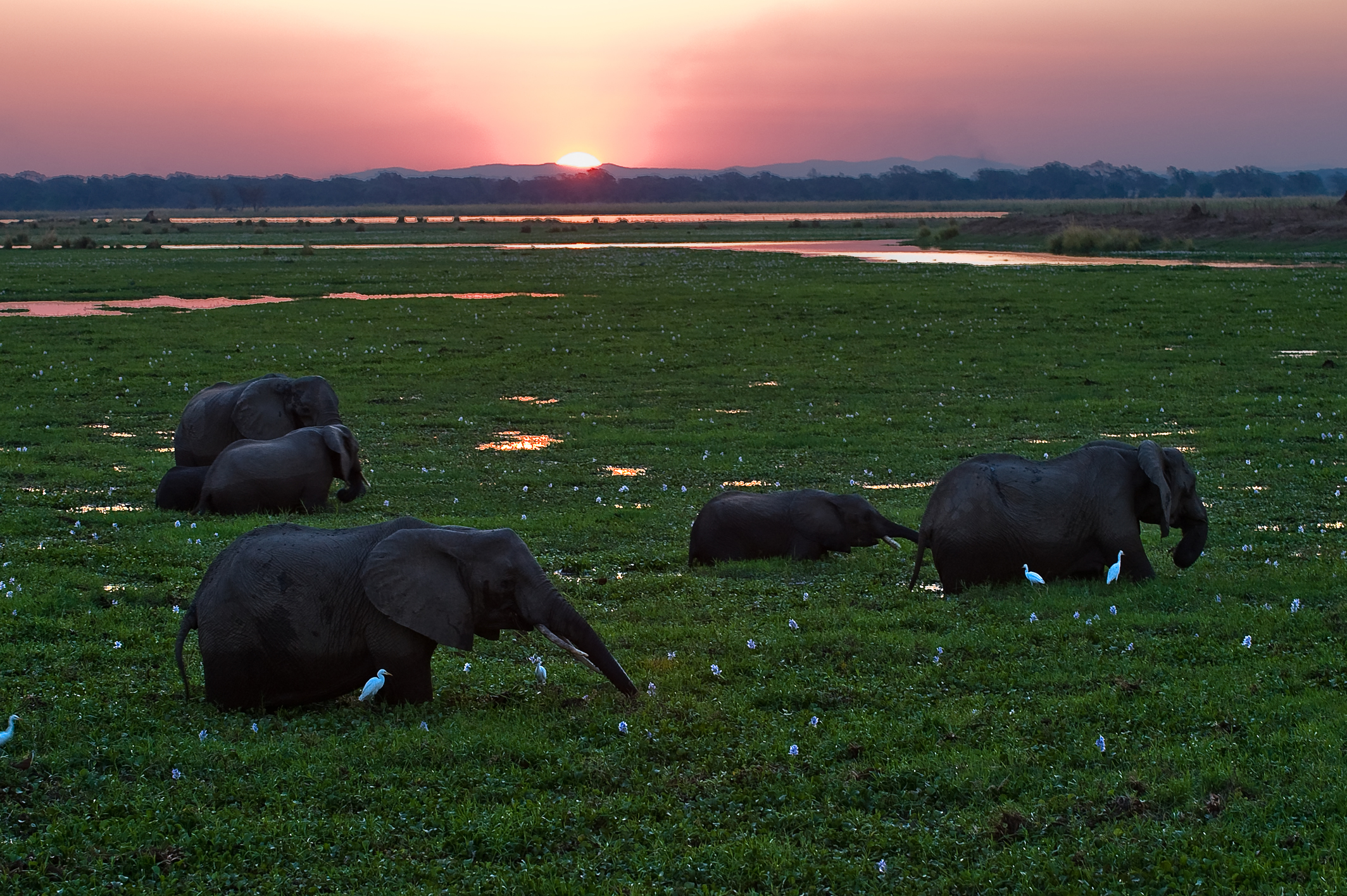
It is here, from land or water that one encounters the rawness, the beauty and the savagery which is the real heart of darkness. It is unforgettable, on dust-tasting, hazy blue, September days, to watch the game treading its daily course to the edge of the lake's vast waters; or, in the rainy season when the air is crystal, when images are razor sharp, to watch the massive black blocks of wet-skinned elephant posing on the billiard-table flood plains carpeted with new green baize. You will never forget the electric thrill of a racing reel as the line flies to the powerful pull of a fighting tigerfish; perhaps most unforgettable of all, watching the red sun sliding into dusky blackness as the earth turns beneath it into night whilst the dead trees that fill the lake and the blue-black mountians that slope down to its wooded shores, slowly merge with the blackness and are gone.

Most of all, of Kariba, you will remember the smells of Africa. The dust of the day, the moisture of the lake and, most evocative of all, the smell of advancing rain.

Half a century ago, the growing needs of a hungry nation drove man to control the flow of this great river and, in 1958, at the narrow neck of a remarkable gorge, a rising wall of concrete stemmed the river's flow. And so created what at the time was one of the largest man-made lakes in history.

Already existing in the waters was the famous tigerfish, a fighting game fish that offers excellent fishing. Indeed, in the new lake, the tiger thrived. The waters were rich in food and tiger grew to record sizes.

Man and the lake live in greater harmony now and it has become the holiday Mecca for Zimbabweans. One of the delights of Kariba is the profusion of game which is so easily enjoyed.
The Zimbabwe side of the lake has about 1 000 kilometres of shoreline, baked African fjords with placid backwaters and numerous islands. Often elephants can be seen swimming between the shore and islands, a sight perhaps unique to Lake Kariba.
Along the southern shore, the Matusadona Game Reserve must be one of the most impressive in the world. It combines the beauty of a lake-setting and its rich and fertile flood plains, with a rising wall of mountains serving as a majestic backdrop. 
Nyaminyami (also known as the Zambezi River God, or Zambezi River Spirit) is believed by the river Tonga (or Batonga) to control life on the Zambezi.

The Tonga themselves have inhabited both banks of the Zambezi River in what was known as the Gwembe Trough (from Kariba Gorge upstream to Devil's Gorge) for centuries and in themselves have an interesting history. Prior to David Livingstone's work in the area around 1855/7 the Tonga were at the constant mercy of slaving parties and wild animals. Between then and the mid 1950's they lived in relative peace with very little outside influence - their contact with the "outside world" was limited to prospectors, hunters, surveyors and the local District Commissioners. In the mid 1950's life changed with the decision to proceed with the construction of the Kariba dam wall. Another chapter in the Tonga history was started.

Nyaminyami has supposedly been seen on occasion by locals - much like the Lochness Monster however, hard evidence is elusive. He is described by some as looking like a whirlwind - the majority say he's dragon-like with a snake's torso and a fish's head.

The legend of Nyaminyami has several tales. According to local folklore, during hard times, the Tonga had free access to his flesh and were thus sustained by removing strips of meat.
The story of the dam wall construction and the floods in 1957 and 1958 are well documented. The local story goes as follows:
•Whilst the waters of Lake Kariba were only just rising and the Tonga were being relocated they invoked Nyaminyami in a spirit of resistance. Although he was never used as a political symbol it was generally agreed that he disapproved of the white man's plans to build the dam. In 1957 when a 1000 year flood was recorded on the Zambezi, construction was halted and set back by flood damage. The locals nodded knowingly and waited for the final destruction during the next rainy season. This of course nearly happened with the 1958 flood which was only slightly less violent than the previous year. Elders today claim that it was only their intervention which placated Nyaminyami.
We in Kariba still have occasional earth tremors from the load of the lake on the earth's surface. Locals claim that this is Nyaminyami who at the time of the sealing of the dam wall was philandering down stream towards Mana Pools. He's now very lonely and only the destruction of the dam will reunite him with this wife.

A local Mashona by the name of Rainos Tawonameso has designed a walking stick that incorporates some motifs from the area and it's inhabitants.
The Symbols on the Nyaminyami Historical Walking Stick
• The Handle represents "Nyaminyami" who the Tonga people believe is their spirit God (Mudzimu) and that the occasional earth tremor felt in the Lake surroundings is caused by this Spirit.
• The Tree is a Mopane tree which is found in the Zambezi Valley, the Spirals represent the waves on the Zambezi River, the fish is representative of the staple food of the Tonga people, who prior to the building of Kariba Dam, fished daily on the Zambezi River.
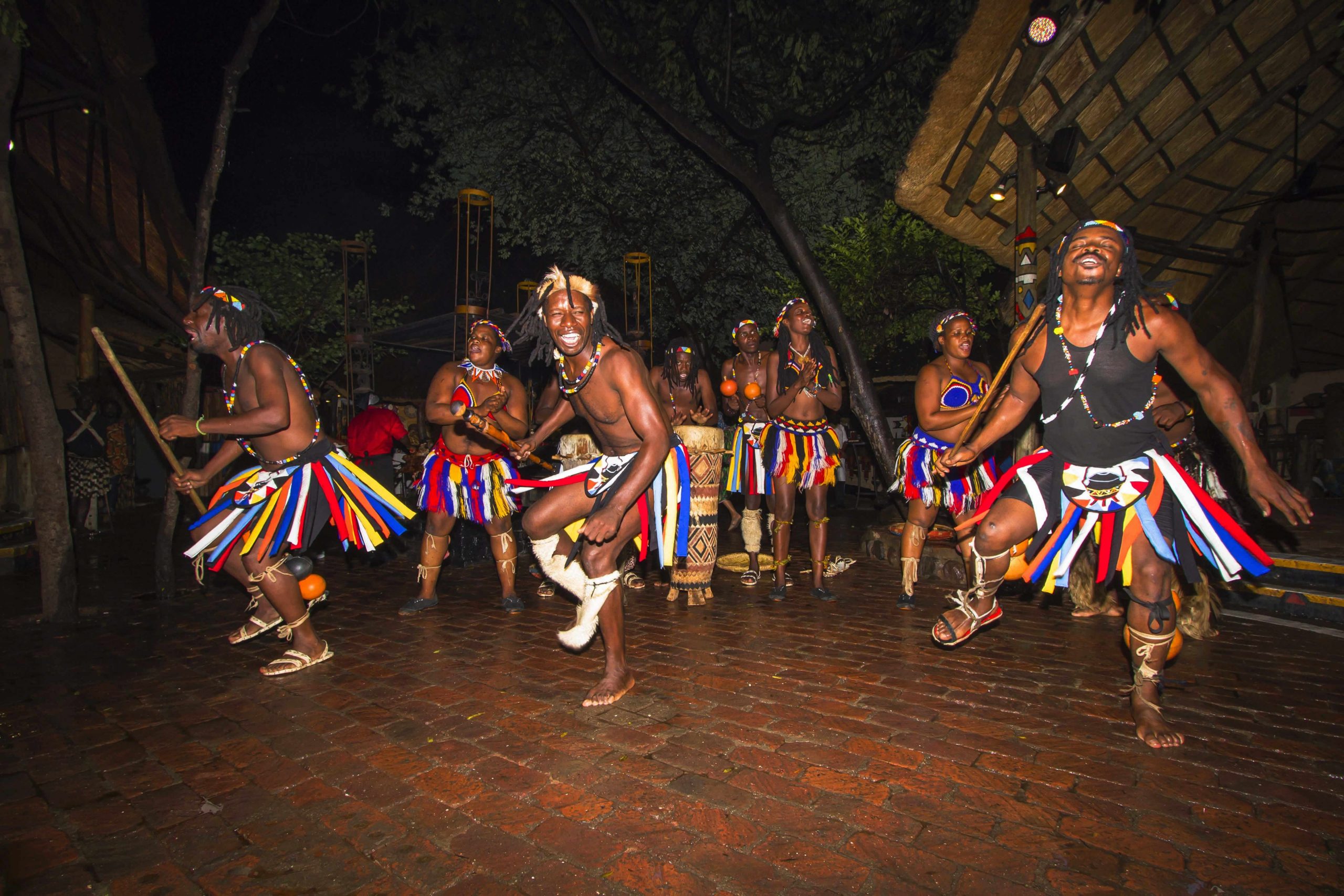
• The Figures represent people on the Zambezi River banks during their ceremonial dances
• The Wooden Rings represent the bangles worn by the Tonga woman as a decoration during ceremonial dances.
• The Sign of the Hand represents the holding of the "Magical Ball" used by the Tonga fortune tellers to guard against evil spirits.
• The Woman's Bubble Pipe (Incelwa) is normally a long pipe made from a calabash and is used by the Tonga people for smoking tobacco. In the past these pipes were used for smoking "dagga" (marijuana) - a Tonga tradition.


About Us

Zimbabwe is a song which, once heard, is never forgotten; a mood to suit the needs of any soul, any time; a spell that binds all those who know her. Her voice brings forth many melodies. Welcome to Zimbabwe, a land rich in diversity ranging from low-lying semi-desert to lush highlands strewn with forests and lakes. Situated on a high plateau in Southern Africa and covering 390 245 Km.

Social Icons

Newsletter

Sign Up for Our Newsletter:

You are here: Home
Scroll to Top